Monday, September 29, 2008

Glycerin

Glycerin
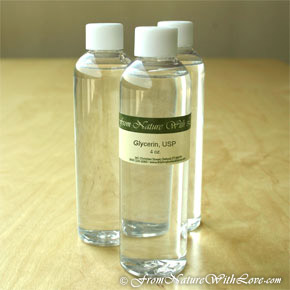
Glycerin is a colorless sticky liquid that was obtained by heating and distilling fats.

It was once used in the treatment of tuberculosis or through consumption, can also be used to relieve dry coughs. Disorders of the digestive system and bowel were also treated by it. Colic was thought to be relieved by it, were indigestion and flatulence. It was effective as a laxative and as a bowel relaxant.

Externally it was used to moisture and soothe the skin and was used to relieve inflammation in eczema, burns and chilblains. Used with rose water, it was applied for the relief of chapped lips or sunburn. Used with lavender oil it was good for healing cuts and sores.

Goldenrod

Golden Rod
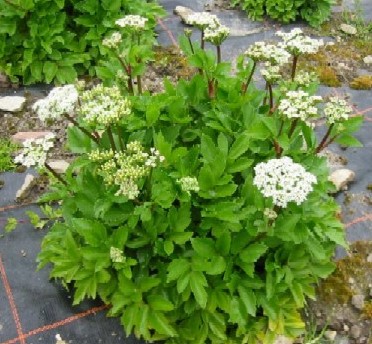
Goldenrod is also as Aaron's rod or woundwort. Early herbalist used it to heal wounds, the reason for one of the names given to the plant.

Later it was used as a diuretic and to dissolve kidney stones and gall stones. It was also used to stop vomiting and to aid digestion. Diphtheria was also thought to be helped by it.

Goldenrod was used to help painful menstruation and to encourage the menstrual flow in cases of dysmenorrhea. Catarrh was also treated with it, and it was used to induce perspiration and as an antiseptic.

Saturday, September 27, 2008

Gout

A clove of garlic eaten night and morning was thought to be cure for gout. Watercress, carrot, apple, leeks, cucumber, onion and turnip were all in its treatment.

Parsley, dandelion, burdock nettle, dock marigold, rosemary, sage, thyme, hawthorn and borage were used as a cure for the symptoms of gout. Elder and meadowsweet were also used.

A bath with Epson salts was thought to relieve the symptoms of gout. Raw potato juice and hot potato water were once applied to painful areas in gout. The bruised fresh leaves of peppermint or a lotion made from these were used to apply to sore areas in gout.

Ground Elder

Ground Elder
An infusion of the fresh leaves of ground elder was used as diuretic, as a sedative and as a pain reliever. It was thought to relieve gout, sciatica and rheumatism.

Groundsel

Groundsel
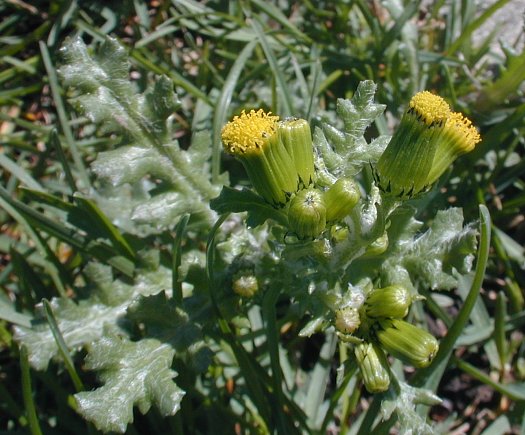
Groundsel was used by early herbalist to treat painful menstruation. It was later used as a laxative or purgative and was thought to cure stomach ache. The plant was used as an emetic.

Biliousness was treated with it. It was also used in cases where the body temperature had to be lowered.

Externally, groundsel was used in hot poultices on boils and in cold poultices for nursing mothers to relieve engorged breasts. It was also used externally for cleaning wounds and healing chapped hands as well as for treating bleeding gums.

Ground Ivy

Ground Ivy
The dried flowers of ground ivy were used in an infusion as an expectorant in catarrh and as a diuretic. Ground ivy was also used to cure cystitis and sciatica and as a gargle for sore throats.

Gums, Bleeding

Witch hazel was used as a mouthwash for bleeding gums, as were borage, rosemary and meadowsweet. A decoction of the root of comfrey or an infusion of the leaves of comfrey was also used in this way.

Another mouthwash for bleeding gums consisted of cold tea. An infusion of olive leaves was used.

Thursday, September 25, 2008

Hemorrhoids

A common name for hemorrhoids is piles.

An infusion of watercress applied externally as a lotion was considered to be helpful in cases of piles or hemorrhoids. An external application of of crushed fresh leaves of plantain was also used, as was a poultice or compress of witch hazel. Yarrow and marigold applied externally were used as treatments also, and meadowsweet was one of the earliest cures for the condition.

Eating carrots was used as a treatment for hemorrhoids or piles, as was eating oats. Another cure recommended eating a large leek, and another involved taking a glass of a liquid made from nettles several times a day.

Hair Problems

There were several tradition treatments for improving the conditions of the hair. Washing the hair with egg was one of these, and castor oil was another well-known hair conditioner.

Applying an infusion of fresh nettle leaves was meant to have a beneficial effect on the hair. Fresh parsley juice was thought to make the hair shiny, and a decoction of burdock was massaged into the scalp as a hair tonic.

An infusion of chamomile flowers was meant to be an effective hair tonic, the scalp being cleansed with it twice a week. Another infusion made with sage, rosemary, honeysuckle and plantain with added honey was hair. A strong infusion of sage alone was recommended as a hair tonic, and this was also meant to cure dandruff.

Falling hair was frequently treated with folk remedies. Again, egg was recommended. Fresh eggs were to be beaten, rubbed into hair and left overnight. Damping the hair with an infusion of sage was also said to help prevent hair falling out.

Dilute rosemary oil rubbed on the scalp was also meant to stop hair falling out, and castor oil applied in the same way was also meant to be effective. A rinse made from yarrow was also used to prevent hair fall and a mixture of boxwood, rosemary and marshmallow added to boiling water had the same claims made for it.

A mixture of kerosene and water used in equal parts was used in the cure of dandruff but it was also claimed to be able to stop the hair from growing grey if it was applied before the hair started to grow grey.

Wednesday, September 24, 2008

Halitosis

Avens, dill and peppermint were used as a cure for halitosis or bad breath.

Halitosis may be caused by some disorder of the stomach. To avoid this, one suggested remedy involved talking a powder containing powdered vegetable charcoal & bicarbonate of soda.

Hands, Chapped

One remedy considered to be effective for chapped hands involved taking a piece of mutton fat, melting it and straining and pouring it into a basin to harden it. Before it was quite hardened, it was worked into a ball. This ball was then held before a fire until the surface of the ball began to soften. The substance was then worked into the hands.

Another folk cure was a bit more complicated. Some unsalted hog's lard was washed in spring water and then rose water. It was then mixed with egg yolks and honey before fine oatmeal was mixed into it to form a paste. This was rubbed into hands.

Tuesday, September 23, 2008

Tinnitus

Tinnitus is the ringing or buzzing sound inside one or both the ears. It may come and go. Those who suffer from tinnitus experience noises or a ringing sound inside their ears.

There are two types of tinnitus, objective tinnitus and subjective tinnitus. In objective tinnitus, apart from the patient himself, people around him can also hear the buzzing sound inside his ears. But in case of subjective tinnitus only the patient himself can hear the buzzing sound inside his ears. Subjective tinnitus is more common than objective tinnitus. Severe cases of tinnitus can be extremely disturbing, the patient may not be able to sleep or concentrate.

Common symptoms of tinnitus are buzzing, hissing, and ringing sound inside the ear. Sometimes the sound go along with the patient’s heartbeat. If the tinnitus patient is also suffering from Meniere disease then the sound in the ear may be accompanied by dizziness and hearing loss.

As a home remedy for Tinnitus, try to reduce your stress level. Breathe deeply. Put 20 to 40 mg of extract of the Maidenhair tree or Ginkgo biloba into your ears for four to six weeks. This will dilate blood vessels and increase blood flow to the ears.

Tinnitus patients should also avoid foods like saturated fats, dairy products, sugar, salt, processed foods and so on because all these food items tend to aggravate the condition. Say no to coffee, tea, sweet foods, and refined alcohol because all these result in low blood sugar which can lead to tinnitus.

Eat lots of fresh and raw fruits and vegetables in your diet. Eat a protein rich diet. Tinnitus patient’s diet must include vitamin A, vitamin B, vitamin E, zinc and choline.

Keep blood pressure under control and avoid alcohol and smoking. Exercise daily to improve your blood circulation.

Hangover

Eating raw cabbage was an old folk cure for hangovers. Rosemary is also an old remedy.

Drinking a lot of water was also thought to be effective cure, and some people recommended eating raw beaten egg.

Hawthorn

Hawthorn
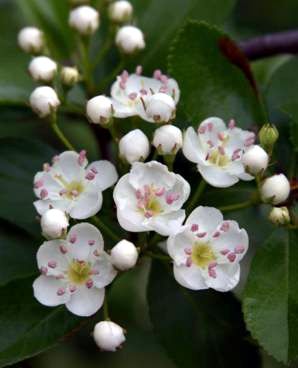
Common names for hawthorn are may, mayblossom, maythorn, quickthorn, whitethorn, motherdie, and haw. In early times hawthorn was supposed to have the power to ward off witches and evil spirits. Young girls bathed in the dew that formed on it on the morning of the first day of may in the hope improving their complexions.

Some people claimed that the smell of hawthorn had aphrodisiac properties.

Hawthorn was used as a heart stimulant and tonic. It was recommended in cases of low blood pressure and was used as a diuretic in cases of dropsy and kidney disorders.

A decoction of the flowers and berries was used as a cure for sore throats. It was also used for chilblains.

Hay Fever

Clove tea was thought to relieve the symptoms of hay fever. An infusion of plantain was also given for the relief of these, as was an infusion of nettles. A hot infusion of balm was also taken to bring relief to the hay fever sufferer.

Adding chamomile to boiling water and inhaling the steam from this was also recommended to alleviate the symptoms of hay fever.

One folk cure for hay fever involved soaking some elecampane, also called elfwort, in boiling water, straining it and taking a glass of it at regular intervals until the symptoms disappeared.

Headache

An old English superstition recommended not a cure for headaches but a supposed method of avoiding them. No hair that had either been cut from the head or that had fallen out of its own accord was to be thrown away in a careless manner.

If the hair was carelessly discarded, the fear was that a bird would find the hair and carry it off and use it for nest-building. Apparently, if this happened the head of the owner of the hair would ache all the time that the bird was building the nest.

Whether the headache was acquired in this way or in a more mundane way, there were several folk remedies for headaches.

An infusion made from elderflowers was held to be a cure for headaches, as was an infusion of lime flowers, an infusion of dried rosemary or an infusion of chamomile. A tea made from betony was also regarded as curative.

A more complicated cure involved taking some centuary, feverfew and chamomile and boiling them in a water until the liquid was reduced by half. Some rhubarb was added to the hot liquid.

Another cure had coltsfoot as a base. The coltsfoot leaves were boiled in water and sweetened with syrup made from sugar and water. A cupful of this was to be drunk. This was a versatile cure as it was a remedy for coughs, colds and giddines as well as headaches.

The Greek and Romans used peppermint as a cure for headaches. Later, cures taken internally included cinnamon, honey, and apple. Rosemary, chamomile, dock, lavender, balm and meadowsweet were herbs that were taken internally as a cure.

Other herbs that were used in the cure of headaches were angelica, basil, betony, feverfew, pennyroyal, St. John wort, valerian, viper's bugloss and wintergreen.

Externally applied, fresh elder leaves were thought to be curative, as were slices of raw potato, cabbage poultices and onion poultices. Clove oil could be rubbed on the temples, as could lavender oil and vinegar. Clove oil could also be used as an inhalant.

A preventive for headaches dating from the fifteenth century involved distilling a mixture of vervain, betony and wormwood and then washing the head in it several times a week.

A solution for washing the head to cure headaches consisted of mixing salt, vinegar, water and brandy. A towel soaked in very hot water, wrung out and wound round the head was meant to bring quite quick relief.
Head Lice

Cinnamon applied externally as a wash was thought to get rid of head lice. They were also meant to be cured by the application of fresh parsley juice. Rosemary oil was thought to be helpful in the treatment of head lice.

A non-herbal treatment to get rid of head lice involved mixing kerosene and water in equal parts and applying the lotion to the hair.

Gallstones

There's a way to remove gallstones naturally. It has worked for many already. One of the symptoms of gallstones is a feeling of bloatedness after a heavy meal. You feel like you can't digest the food. If it gets more serious, you feel pain in the liver area. So if you think you have gallstones, this method allows you to remove them naturally.

The treatment is also good for those with a weak liver, because the liver and gallbladder are closely linked.

For the first five days, take four glasses of apple juice every day. Or eat four or five apples, whichever you prefer. Apple juice softens the gallstones. During the five days, eat normally.

On the sixth day, take no dinner. At 6 PM, take a teaspoon of Epsom salt (magnesium sulphate) with a glass of warm water. At 8 PM, repeat the same. Magnesium sulphate opens the gallbladder ducts. At 10 PM, take half cup olive oil (or sesame oil) with half cup fresh lemon juice. Mix it well and drink it. The oil lubricates the stones to ease their passage.

The next morning, you will find green stones in your stools.

Saturday, September 20, 2008

Heartburn

One suggested method of avoiding heartburn was to take a teaspoonful of wheat charcoal immediately after it. It was suggested that this treatment was backed up by taking a spoonful of glucerine either before or after meals.

A suggested cure for heartburn consisted of a mixture made from ginger, quassia, sal volatile and sulphite of soda. Another, probably more popular, remedy was the taking of a spoonful whiskey in warm water with meals.

Although lemon is usually regarded as acidic, it was used in many digestive problems, heartburn included. Egg were used as a cure for heartburn, as the white of the eggs was thought to be a soothing influence. Peppermint was also a popular cure.

Heart Problems

Hawthorn was thought to have curative powers as far as heart disease was concerned. Tne remedy consisted of making an infusion of dried hawthorn leaves with added honey.

Century was the basis of another cure. It was boiled in beer, strained and sweetened with honey. It was to be taken three times a day.

Herbs and plants that were considered to be helpful in heart disorders included asparagus, butterbur, broom, bugle, burnet, figwort, raspberry, viper's bugloss and woodruff.

Tea, carrots, onions and olive oil taken internally were also thought to be beneficial in heart problems.

Heartsease

Heartsease
Heartsease was long regarded as a remedy for epilepsy. It was also used as a treatment for catarrh and asthma.

Disorders of the blood and heart diseases were treated with it, and it was known as a diuretic.

A decoction of the flowers was used to cure some skin complaints.

Herb Robert


Herb Robert is also known as red robin and St. Robert's herb. It was used widely in medieval folk medicine and has been used in various ways since medieval times.

Skin complaints were treated with it, and it was used in the treatment of bruises and to reduce swelling. A lotion for eye problems was made from it, and it was used as a gargle for sore throats and mouth ulcers.

It was a treatment for diarrhea.

Hiccups

A very old cure for hiccups was a hot infusion of white mustard seeds. Taking lemon was also supposed to help, and cloves were meant to be beneficial. Peppermint was a very popular cure, as was simple hot water.

One cure advocate drinking three sips of cold water from the far side of a cup. Another also involving water recommended placing the fingers in the ears while drinking a lot of cold water. Alternatively, a pinch of snuff could be taken in an effort to cure hiccups. It was also said that swallowing a teaspoon of sugar could get rid of hiccups.

Rather a strange cure involved damsons in the mouth at once and swallowing them gradually. Also, one home remedy for hiccups is surprising the person afflicted with hiccups or making the person with hiccups breath in a plastic bag.

Thursday, September 18, 2008

Honey

Honey
Honey was thought to be highly nutritious and was particularly recommended for people who had been ill to give them energy. A remedy advocated for delicate children consisted of boiled milk with added honey.

It was also used a sedative and promote relaxation and sleep, and as such was sometimes used in case of insomnia. Again, it was sometimes added to hot milk and taken just before going to bed.

Honey was considered to be a very versatile substance in folk medicine. It was, for example, thought to relieve the pain of headaches, neuralgia or arthritis.

It was frequently used as an expectorant and was helpful in the treatment of coughs and catarrh. It was sometimes used with hot lemon to soothe sore throats, and is often used in this way today.

Herbs, such as thyme, were sometimes added to it to relieve the symptoms of asthma or bronchitis. Honey was thought to have the power to relieve congestion, and was used in the treatment of sinusitis, and high fever.

Diarrhea and vomiting were treated with it, and it was thought to help in the treatment of various infections, such as typhoid.

Externally, hone was used as a treatment for burns and as a means of bringing boils to a head. It was also thought to speed up the cure of sores or ulcers in the mouth. Wounds were once spread with honey in the hope that it would aid healing.

In early times honey was regarded as an aphrodisiac.

Honeysuckle

Honeysuckle
Honeysuckle is also known as goat's leaf

It was used as an expectorant, being used in respiratory disorders and asthma. Disorders of the liver and spleen were also treated with it, and it was used as a gargle.

Constipation was treated with it, since honeysuckle was thought to have laxative properties.

Hops

Hops
Hops are also known as hop bine or willow wolf.

Hops have been used since medieval times in the brewing of beer, and they are probably best known for that toady. They had, however, several uses in folk medicine.

They were probably best known as a cure for insomnia, having strong sedative properties, and were also used in nervous disorders. However, they were also used in indigestion, disorders of the stomach and as a stimulant of the appetite. Heart disease, liver disorders and jaundice were also treated by them.

Externally they were used to treat bruise and reduce inflammation and swelling, often in combination with chamomile.

Horehound, White

Horehound, White
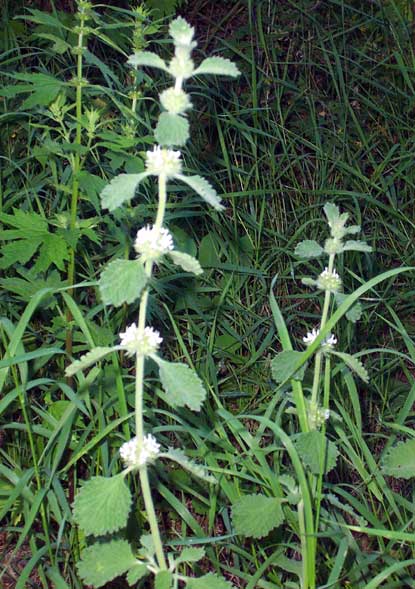
White horehound is also known as horehound or hoarhound.

It was used as a cure for cough in ancient Egypt and thereafter, it was also used in the treatment of catarrh, bronchitis, diseases of the lung, and asthma.

Constipation was treated with it. Horehound was also used to stop the menstrual flow or to decrease it.

It was used externally on cuts, bruises and in the treatment of minor skin conditions.

Horseradish

Horseradish
We now know horseradish as an accompaniment to roast beef, but it was used in several treatments in folks medicine.

It was used to stimulate the appetite and to cure flatulence. Urinary infections and colds and influenza were also treated with it.

Externally, it was used to cure chilblains and boils.

Wednesday, September 17, 2008

Horsetail

Horsetail

Equisetum is a genus of vascular plants that reproduce by spores rather than seeds. The genus includes 15 species commonly known as horsetails and scouring rushes. It is the only living genus in class Equisetopsida, formerly of the division Equisetophyta (Arthrophyta in older works), though recent molecular analyses place the genus within the ferns (Pteridophyta). Other classes and orders of Equisetopsida are known from the fossil record, where they were important members of the world flora during the Carboniferous period.

Horsetail was also known as sharegrass and bottlebrush.

It was used to treat kidney and bladder disorders and urinary infections. Disorders of the prostate gland and some disorders of the digestive system were also treated with it.

Externally, it was used in the curing of open sores, wounds and chilblains.

Hypertension

A more common, less technical, name for hypertension is high blood pressure.

Various herbs were thought to be effective in the lowering of blood pressure. These included barberry, chervil, comfrey, garlic and hawthorn. Parsley, rue, skullcap, vervain and violet were also thought to be effective.

Cinnamon, ginger, and olive oil were used in the treatment of high blood pressures, as were apples, potatoes, onions and leeks. The condition was also treated with yarrow, balm and lavender.

Hypotension

A more common, less technical, name for hypotension is low blood pressure.

Hawthorn was used in the treatment of low blood pressure to try to bring it up to normal levels. Broom, lavender, rosemary and shepherd's purse were also used.

Hyssop

Hyssop

Hyssop (Hyssopus) is a genus of about 10-12 species of herbaceous or semi-woody plants in the family Lamiaceae, native from the east Mediterranean to central Asia[1]. They are aromatic, with erect branched stems up to 60 cm long covered with fine hairs at the tips. The leaves are narrow oblong, 2-5 cm long. The small blue flowers are borne on the upper part of the branches during summer. By far the best-known species is the Herb Hyssop (H. officinalis), widely cultivated outside its native area in the Mediterranean.

Hyssop was used as a cure for chronic catarrh and asthma. In the case of asthma it was sometimes taken in conjuction with horehound. it was also used in the treatment of stomach disorders.

Externally, it was used to ease bruises, cuts and pain caused by muscular rheumatism.

Monday, September 15, 2008

Hysteria

One cure recommended strong tansy tea, taken cold, as a cure for hysteria. Another cure suggested mixing chamomile, valerian, lime flowers and St. John's wort to make an infusion to be taken three times a day.

Impotence

Cinnamon was used as a remedy for impotence in folk medicine, as was ginger. Rose petals and oats were also thought to improve the condition.

Indigestion

Dill, fennel and feverfew were used as remedies for indigestion in folk medicine. Peppermint, speedwell and thyme were also used.

Ginger and peppermint were both popular cures for indigestion. The juice of a raw potato was also considered to be instrumental in curing indigestion as was egg white. Apple and tea were also popular, and another remedy was epsom salts.

Cloves were also considered to be a remedy for indigestion. Olive oil and cardamom seeds were used to treat it, and parsley and burdock taken internally were thought to be beneficial. The symptoms of indigestion was also thought to be relieved by lavender and meadowsweet.

Inflammation

Oatmeal used externally was used in the reduction of inflammation, as was raw potato juice. Pepper was thought to bring inflammation to the surface to relieve pain. Vinegar was also used to reduce inflammation, as was a combination of hops and chamomile applied externally.

A poultice made from barley flour was another suggested cure. Other poultice cures were made from plantain, burdock or eucalyptus leaves.

Crushed fresh leaves of plantain and cucumber juice were both used to soothe inflamed skin, as were dock leaves. Meadowsweet flowers and elderflowers were also used.

Lavender oil and chamomile oil were both used in inflammation of skin.

Saturday, September 13, 2008

Insomnia

Honey in milk with a pinch of nutmeg or cinnamon taken before going to bed was a well-known cure for insomnia. A teaspoon of honey on its own was also recommended or honey taken with cider vinegar.

Hops have been used as a cure for insomnia since the Middle ages. Chamomile was known as a relaxant and was common cure for sleepless, as were lavender and lemon balm. Hawthorn was also thought conducive to sleep, and rosemary was an old folk cure for insomnia.

Poppy and valerian were also used to induced sleep, as were skullcap and woodruff. Dandelion, dill and peppermint were also used.

Eating onions at bedtime was also a recommended cure. Either stewed Spanish onions or ordinary raw onions would do, and two or three of them were to be taken. Onion soup or onion jelly was a suggested alternative. Onion jelly was made by shredding onions and cooking them in a little stock until the onions were tender. Boiling water and a squeeze of lemon were added and the mixture cooked together.

Mattresses were sometimes stuffed with oat husk as a cure for insomnia.

Iodine

Iodine
Iodine is an element that has been used in home remedies for more than a hundred years.

It was used in the treatment of skin infections and to stop cuts and sores becoming infected.

Itching

One old cure for itching involved using a piece of cacao butter impregnated with cocaine. This was to be rubbed over the itchy part. The butter would melt on the warm skin, making a smooth, soothing cover.

Alternative cures were a weak carbolic acid lotion or a solution of bicarbonate soda or baking soda.

Jacob's ladder

Jacob's ladder
Other common names for Jacob's ladder plant are charity and greek valerian.

It was used in the treatment of coughs, colds, chest complaints, lung complaints and pleurisy, especially as an expectorant. It induced perspiration and cured fevers.

Jaundice

In early European folk medicine parsley was used as a cure for jaundice. The root of the dandelion was also thought to be effective, and hops were also used.

One cure for jaundice consisted of dandelion flowers, blue cornflowers and parsley crushed together in some beer. This was to be taken at night and in the morning.

Another cure was an infusion of agrimony taken three times a day.

One particularly unpleasant old cure in folk medicine involved the patient eating a slice of bread and butter with nine lice on it.

Juniper

Juniper
The berries and leaves of juniper were used in herbal medicine, although now the herb is most commonly known in the kitchen, since the berries are used to flavor certain dishes.

It was used to treat indigestion and flatulence. It was also used in the curing of kidney and bladder conditions and, being a diuretic, was particularly effective in curing dropsy. It was sometimes used in conjunction will other diuretics.

Friday, September 12, 2008

Kidney problems

Do you have kidney problems? Pepper was used in the treatment of kidney disorders, as was rose-hip syrup. Meadowsweet was also used.

Other herbs used in the treatment of kidney disorders included agrimony, angelica, bearberry, betony, broom, daisy, dandelion and fumitory. Golden rod, hawthorn, horsetail, hyssop, jumper, kidneywort, parsley, shepherd's purse and strawberry were also thought to be beneficial.

A drink from lime water and pearl barley water was thought to be helpful in kidney disease. Another remedial drink consisted of boiling nettle leaves in a water, straining it and fermenting the liquid to make a nettle beer. Cloves, ginger, honey and brown sugar were added to this.

An infusion made from several herbs was thought to relive disorders of the kidney. The herbs was thought to relieve disorders of the kidney. The herbs were burdock seeds, dandelion, marshmallow root and tansy.

Kidneywort

Kidneywort
Other common names for this plant are pennywort and livewort.

Medieval herbalist used it to treat disorders of the kidneys, hence its name. In early folk medicine it was used to treat gout.

Kidneywort is a diuretic and is also to reduce inflammation. It was particularly used to reduce inflammation in the liver and spleen and was thought to be beneficial in cases of gout and sciatica. Bronchitis was sometimes treated by it.

The bruised leaves were applied in a poultice to cure piles and to treat minor burns or scalds and pimples and sores. Kidneywort was also used in some eye treatment.

Knotgrass


Knotgrass is also known as pigweed, cowgrass, all-seed, birdweed and bird's tongue.

It was used to cure internal bleeding and to reduce excessive menstrual flow. The fresh juice was squirted up the nostrils to stop nose bleeding.

Diarrhea and dysentery were also thought to be cured by it. It was used as remedy for bronchitis and lung diseases and in the treatment of jaundice. Piles were treated with it, and was thought to have the power to dissolve kidney stones and gall stones.

Lady's Bedstraw

Lady's Bedstraw
Lady's bedstraw is also known as wild rosemary and maiden's hair.

It was used in folk medicine as a sedative. Hysteria and nervous conditions were treated by it, as was epilepsy.

Lady's bedstraw was also used a a tonic and as a diuretic. It was once used as an insect repellent.

Wednesday, September 10, 2008

Larch

Larch
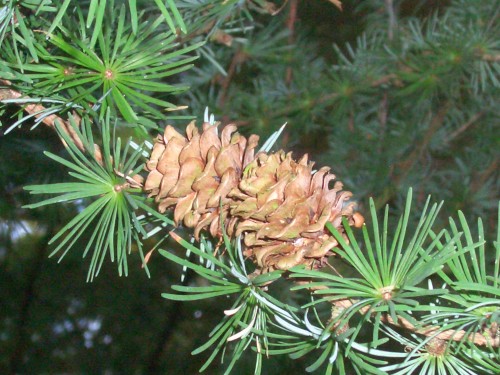
The inner bark of the larch was used medicinally in traditional herbal medicine. It had various uses.

It was used as a diuretic and in the treatment of cystitis. Bronchitis was treated with it, and it was noted expectorant. Larch was used to treat internal bleeding and as an antidote to some poisons.

Externally it was used in the treatment of eczema and psoriasis.

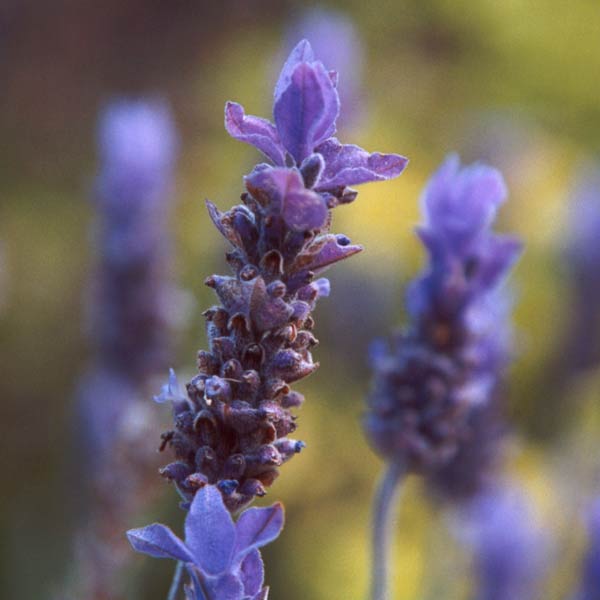
Lavender

Lavender
Lavender is known as English lavender and garden lavender.

Its name is derived from the Latin for "to wash", and it got its name from the fact that the Romans used it in their baths. They also placed it in linen bags among their clothes to perfume them and take away nay unpleasant odors.

In the Middle ages lavender oil was used to kill lice and bed bugs. It was also used to clean wounds.

Lavender was used as an antiseptic in such disorders as diphtheria. It was also a mild diuretic and was used in disorders in which there was fluid retention. Cold, catarrh and chest infections were treated by it since it was a decongestant and expectorant. It was also used to induce perspiration and bring down fevers.

It was well known as a sedative in cases of excessive nervousness, anxiety and heart palpitations, and insomnia and headaches were thought to be relieve by it. On the other hand, it was used to lift the spirits of people who were feeling depressed and to stimulate the appetite. Low blood pressure and dizziness were thought to be helped by lavender.

Disorders of the digestive system were treated with lavender. It was thought to be helpful in curing flatulence, colic, indigestion and nausea. Lavender was thought to relieve pain, and was used for the relief of toothache as well as for headaches.

It had several external uses, especially in the form of an oil. Once of these was an insect repellent. Another one was as a soother of inflammation, and it was also used to relieve bruises and sprains and to soothe swollen joints. Lavender was also used to cure cuts, sores and wounds.

Laxative

Apple, olive oil, rose-hip syrup and oats were used for their laxative properties. Elderberries, plantain seed and flax were also used as laxatives. White mustard seeds were also once used.

Dock was used as a laxative for the treatment of long term constipation, and dandelion root was used where a mild laxative was called for. Epsom salts was used when a fast-working laxative used required.

Asparagus, buckthorn, chickweed, fat hen, feverfew, groundsel and licorice were some of the herbs that were thought to act as laxatives.

Leeks

Leeks
Eating leeks was one of the folk remedies for hemorrhoids.

Anyone who had swallowed anything sharp was encouraged to eat boiled leeks to prevent the sharp object from damaging the stomach or bowel before it was expelled from the body.

Leeks were also used as a cough remedy, being expectorants and decongestants. They were used in the relief of colds, catarrh, chest infections, hoarseness and sore throats.

The leeks was also a diuretic and was used in the treatment of gout, arthritis and cystitis. It was also used in treatment of disorders of the digestive system, such as colic and diarrhea. Some forms of heart disease were also treated by it.

A poultice made from leeks was used as a dressing for wounds and sores. A paste of mashed cooked leaves was used to bring boils to a head. An application of leeks was used to spread on burns and inflamed skin to soothe the skin. A cut leek rubbed on an insect sting was meant to relieve the pain of the sting.

Lemon

Lemon
Lemon was used in various ways in folks medicine, and it has been credited with curative powers for a very long time. the Romans used it as an antidote to all poisons.

Although it is usually thought of as being acidic, it was used in hot water as a cure for biliousness. Lemon was also used for disorders of the digestive system, including hiccups, heartburn and nausea, and for disorders for the bowel, such as constipation and worms.

Lemon juice taken in the morning acted as a stimulant of bile and so as a tonic to the liver. It was also used to dissolve gall stones. It was thought to be a remedy for various infections and as a means of bringing down fever. Asthma was thought to be relieved by it, as were sore throats and tonsillitis.

Lemon was also used as a diuretic and as a cure for arthritis and rheumatism. Mixed with coffee it was thought to be effective treatment for malaria. This mixture was also used as an treatment for headaches.

Externally lemon was used as an astringent to stem bleeding. If some lemon juice was put on a piece of cotton wool and then applied to the nostrils it would stop nose bleeds. It was also used to massage bleeding gums.

Lemon juice was also used to prevent sunburn. When mixed with glycerin it was used to soothe chapped lips.

Tuesday, September 9, 2008

Lemon Balm

Please see Balm

Lettuce, Wild


Wild lettuce is also known as green endive.

It was used in herbal medicine as a sedative and to induce sleep. Colic was treated with it, as were irritable coughs. It was a diuretic and was used in dropsy.

Lice, Head

Please see Head

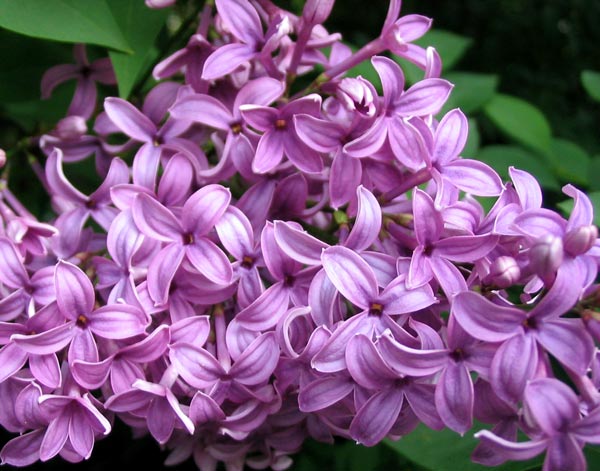
Lilac

Lilac
Lilac was used medicinally as a diuretic and to reduce inflammation. It was principally used in the treatment of fevers, especially malaria, and was also used to relieve rheumatism.

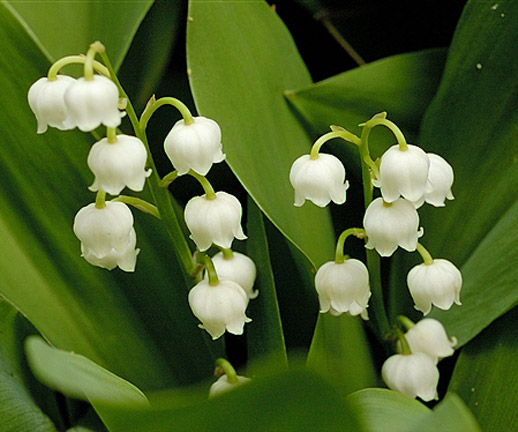
Lily of The Valley

Lily of The Valley
Lily of the valley is also known as May blossom and wood lily.

Its main use was as a heart stimulant, like the foxglove, but it was also used to treat sinusitis and dizziness in cases of fluid retention. Externally, it was used for rheumatic pain.

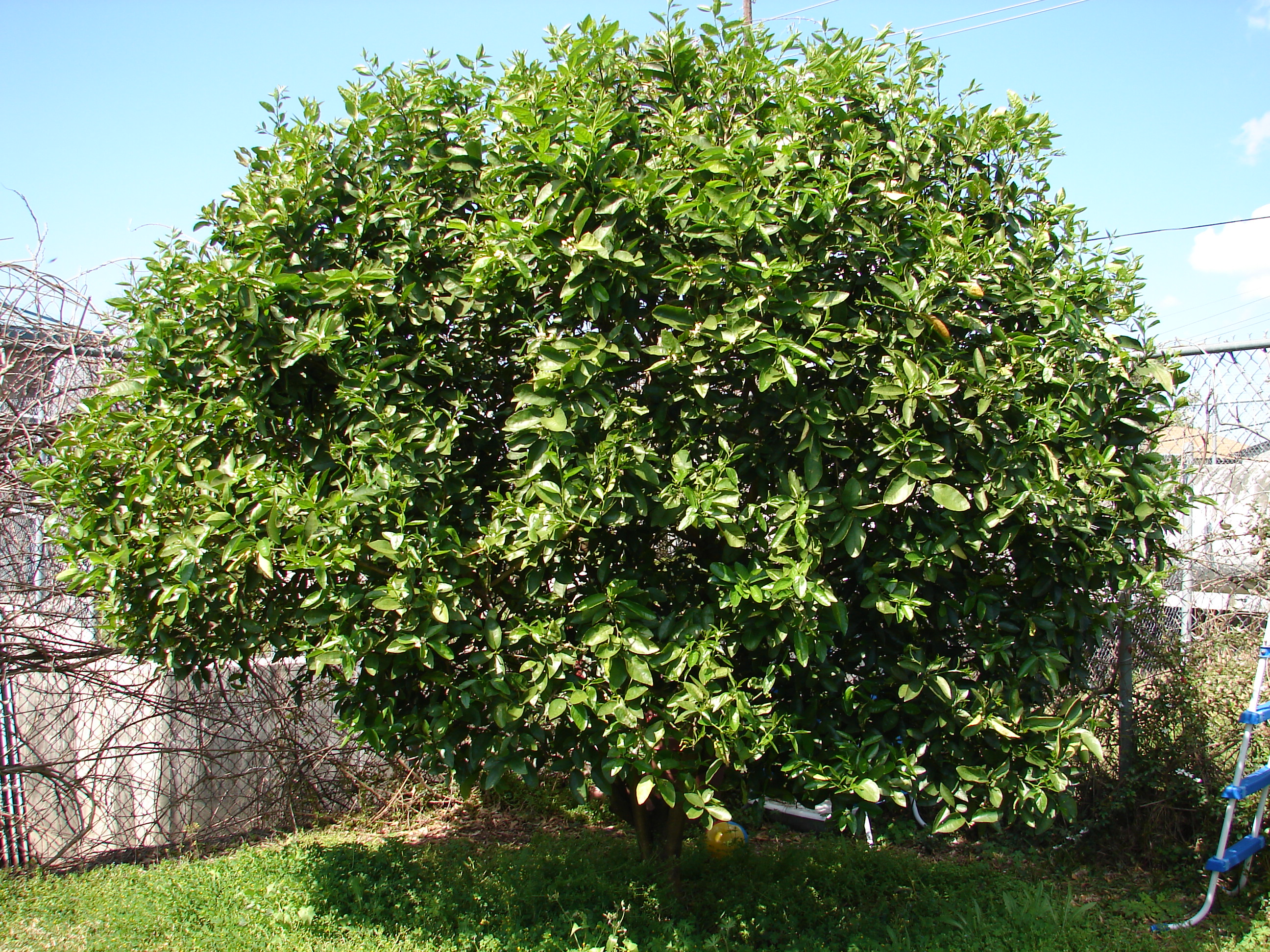
Lime Tree

Lime Tree
Early herbalists used a tea distilled from the flowers of lime as a cure for epilepsy. It was even thought that just sitting under a lime tree could cure people of epileptic fits.

Lime tree was also used in the treatment of low blood pressure and to cure certain nervous disorders. Catarrh, coughs and headaches were all thought to be eased by it, as were fevers.

Externally it was used on the skin to soothe rashes.

Linseed

Please see Flax

Monday, September 8, 2008

Lips, Chapped

A mixture of glycerine and lemon juice was recommended for chapped lips. Alternative cures included an oil made from rose, an ointment made from rose, or a mixture of glycerine and rose water.

Liquorice

Liquorice
The ancient Greeks used liquorice to quench their thirst. Being much sweeter than sugar, it was used by early herbalists to sweeten some of their potions that contained bitter herbs. It was also used as a cough medicine, being an expectorant, and later as a cure for sore throats, chest complaints and consumption, or tuberculosis, and asthma.

It was also used to treat indigestion and ulcers.

Liver Problems

The juice of raw potato taken internally was used in disorders of the liver, as was raw onion. Apple was also thought to be helpful. Herbs believed to be beneficial in disorders of the liver included agrimony, avens, daisy, sage and rosemary.

Lockjaw

One old cure for lockjaw involved pouring a little warm turpentine into the wound that had caused, or might cause, lockjaw. Another cure for lockjaw involved smoking the wound in the smoke from burning wool.

To prevent lockjaw, it was suggested that the wound should be made to bleed copiously until it became numb. Suggestions to make it bleed included tapping the wound with a stick or knife handle.

Lovage

Lovage
Lovage is also known as sea parsley.

Being rich in vitamin C, it was used as a cure for scurvy. It was also used as a diuretic and a stimulant.

Sunday, September 7, 2008

Lung Problems

Herbs that were used to cure or relieve lung disease included comfrey, knotgrass and primrose, while an old cure for tuberculosis was made up of honey and horseradish.

Madder

Madder
In folk medicine, madder was much used in the treatment of kidney stones. It was also used to cure gall stones and as a remedy for fluid retention and urinary disorders. Madder was also thought to have laxative properties.

Externally, it was applied to wounds to clean them.

Malaria

One old cure for malaria was lemon taken in coffee. The early herbalists treated malaria with the roots of parsley, and eucalyptus was the basis of another old remedy.

Malaria is also known as ague.

Marigold

Marigold
Taken internally, marigold was used in the treatment of low blood pressure, as an aperitif and as a mild sedative. It was also thought to have the power to stop pus from forming and was used to treat ulcers and varicose veins.

As an external application, it was used from early times to relieve the pain and reduce the swelling of insect stings, particularly those of wasps. It was used in skin rashes and other skin disorders to reduce inflammation and on burns to soothe them.

An application of marigold was used to relieve eyes that were sore and inflamed. It was used particularly in cases of conjunctivitis.

It was used externally as a treatment for warts.

Marjoram

Marjoram
The ancient Greeks are said to have planted marjoram over the tombs of the dead to bring peace to their spirits and prevent them from coming back to haunt the living. In early folk belief, marjoram may have been thought to have the power to increase fertility, as newly married couples had coronets made from marjoram flowers placed on their heads. Nowadays, it is best known as a culinary herb but it had several uses in herbal medicine.

It was thought to have the power to cleanse the body of impurities, to purify the blood and to induce perspiration. Measles were treated with it as it was thought to bring out the spots.

Colic was thought to be relieved by it, as were seasickness and stomach upsets. It was used as a sedative, as a remedy for some nervous conditions, and as a stimulant of the appetite. Bronchitis and deafness were thought to respond to treatment by it.

Toothache was considered to be relieved by it if marjoram was applied to the aching tooth externally. Marjoram was also used externally as a liniment and in poultices to bring down swelling and relieve rheumatism.

Marshmallow

Marshmallow
Marshmallow has been used in folk medicine for a long time, being used by the ancient Greeks. In the Middle Ages, it was used as a remedy for venereal disease, but many other cures were also associated with it.

When it is put in water, the root of the marshmallow swells to form a gel that was used to soothe burns and cuts, rashes and skin diseases. It was also used to reduce inflammation.

Applied in a poultice, it was used to treat troublesome insect bites. A lotion made from the root or leaves was used in the treatment of dandruff.

The dried root boiled in milk was used as a remedy for whooping cough and bronchitis. Marshmallow taken internally was also used in urinary disorders.

Thursday, September 4, 2008

Meadowsweet

Meadowsweet
Meadowsweet was originally used as a flavoring for mead. In early folklore, it was thought to induce such a deep sleep that it could lead to death.

It was used in the treatment of stomach disorders and as a remedy for ulcers, colic and heartburn. The herb was thought to be effective as a remedy for diarrhea and for dropsy, and it was used to cure disorders of the blood.

It was used as a painkiller in conditions like arthritis and rheumatism. Fevers and chills were also treated with it.

Measles

As a home remedy for measles, Watercress is taken internally and was used in the treatment of measles, and a hot decoction of burdock was administered to the patient to induce perspiration and reduce the fever.

A hot infusion of marigold was used to induce perspiration and bring out the eruption in measles to speed recovery. Yarrow taken internally was also thought to bring out the spots and speed recovery, as were marjoram and myrrh. A hot infusion of elderflowers was also used to achieve the same effect.

Memory, Poor

Hawthorn was thought to improve the fading of the memory caused by the aging process or poor blood supply to the brain because of its supposed power to improve poor circulation.

Rosemary was thought to improve the blood supply to the head and was thus supposed to improve the memory as well as stimulating the brain.

Another remedy suggested that people who found difficulty in remembering things should drink a tea made from sage, sweetened to taste.

Monday, September 1, 2008

Menopause

Nettle was used to relieve the symptoms of the menopause. Sage and marigold were also thought to be of benefit in the relief of menopausal symptoms and were considered to be particularly effective in treating hot flashes.

Balm was considered to be of help in relieving the depression that can accompany the menopause. Hawthorn was suggested as a remedy for the night sweats that are a common symptom of the menopause.

Menstruation

Heavy bleeding in menstruation was treated with cinnamon, plantain, sage or nettles. An older remedy suggested that three or four lemons should be taken daily to reduce excessive bleeding in menstruation.

Dock and borage were used as a remedy for menstrual irregularity, and chamomile was used for this in Greek and Roman times. Other remedies were witch hazel, rose and rosemary.

Marigold and sage were used to regulate menstruation, as were carrots. Ginger, myrrh and watercress were considered to be effective in promoting menstruation and in bringing on delayed periods.

Painful periods were thought to be relieved by a number of herbs. These included groundsel, lavender, motherwort, pennyroyal, rue and skullcap.

Milk

Milk
Milk was commonly used to ease indigestion and to relieve the pain caused by stomach ulcers.

It was also thought to have a soothing effect on the skin and was used as a face wash in an effort to improve the complexion.

Mistletoe

Mistletoe
Mistletoe is now associated with Christmas and kissing under the mistletoe, but it was used quite extensively in folk medicine.

It was used as a remedy for epilepsy and for other conditions that were characterized by convulsions. Low blood pressure was thought to be helped by it, and it was used in the treatment of some malignant tumors.

Nervous disorders and hysteria were treated with mistletoe, and it was used in cases of delirium. Mistletoe was considered a remedy for urinary complaints and chronic arthritis.

Motherwort

Motherwort
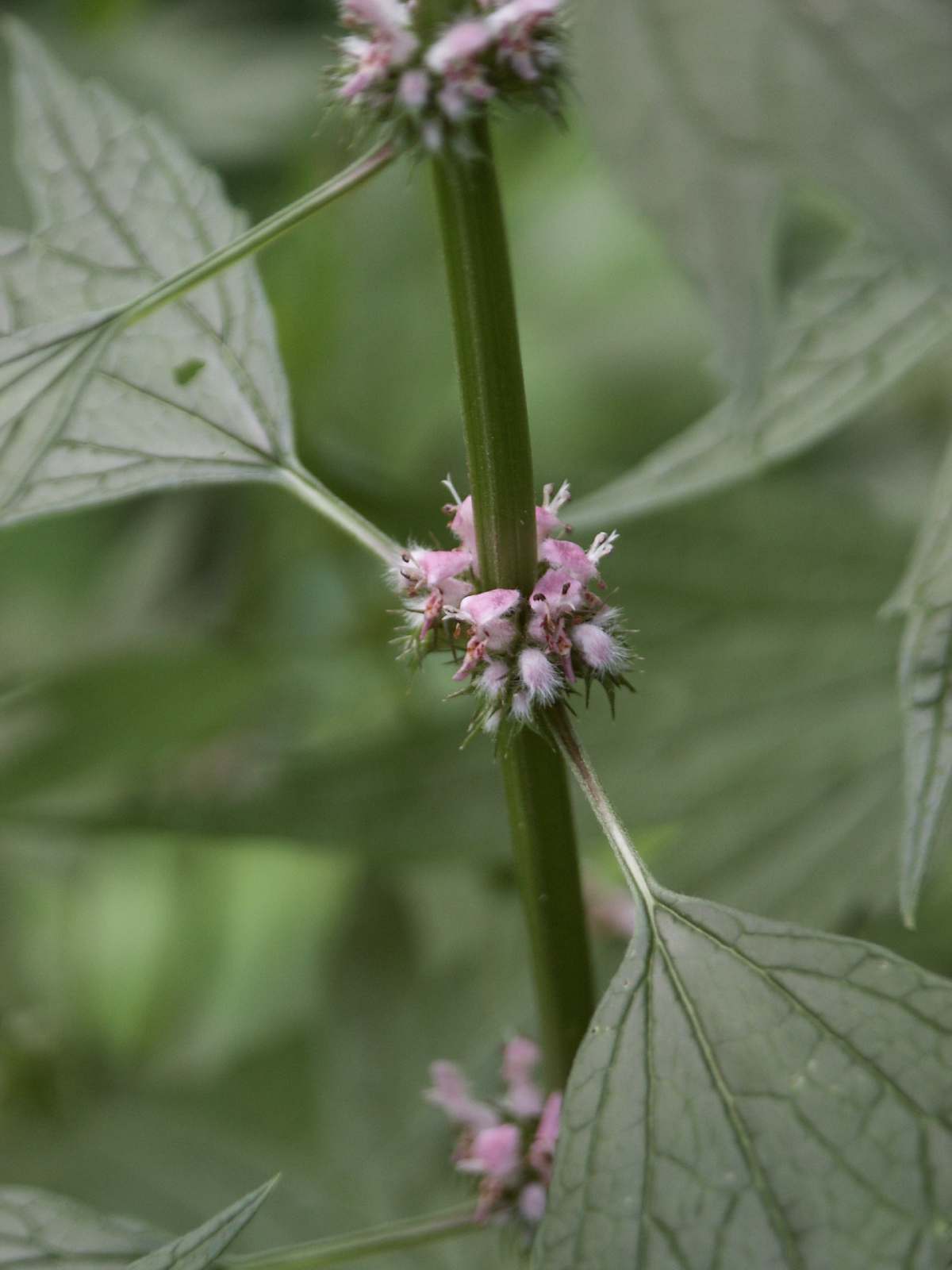
Another name for motherwort is lion's tail.

It was used by the Greeks as a nerve tonic for pregnant women. The herb was also used by early herbalists to treat menstrual irregularity and problems that occurred in childbirth, and as a cure for vaginal infections.

In early folklore, motherwort was considered to be an aid to a long life if eaten regularly.

Motherwort was used to treat heart conditions and as a remedy for epilepsy. Low blood pressure was thought to benefit from its use. It was used as a sedative and thought to be a remedy for hysteria and excessive nervousness.