Saturday, August 30, 2008

Mullein

Mullein
Mullein was used by early herbalists as a cure for gout and piles. Because of its rather unpleasant bitter taste, it was often mixed with another herb to improve the taste.

It was commonly used in disorders of the respiratory system, being used to treat asthma and bronchitis.

The herb had several external applications. A poultice made from the leaves or flowers was used to relieve burns. A mixture of mullein leaves, hot vinegar and water was used to treat hemorrhoids. The leaves were also boiled with lard or vegetable fat to make an ointment to be applied to wounds to speed the healing process.

Mustard

Mustard
White mustard seeds were used in early times as a treatment for disorders of the digestive system and as a laxative for chronic constipation. An infusion of white mustard seeds and hot water was also used as a cure for whooping cough.

Mustard was also used to improve poor circulation, to relieve colds, influenza and chest infections, to cure chilblains, and to raise the spirits of people who had depression. It was used to induce vomiting in cases of poisoning.

A hot mustard foot bath was thought to relieve congestion in head or chest colds, and an infusion of mustard was used as a gargle for sore throats.

Myrrh

Myrrh
Myrrh was burned as an old remedy for getting rid of fleas.

Later it was used as a tonic for people who required to have their strength built up. It was thought to improve circulation and to be an effective decongestant and expectorant in respiratory disease, such as bronchitis, catarrh, colds and tuberculosis. In diseases that involved a rash, myrrh was thought to push the eruption to the surface and speed recovery.

The appetite was thought to be stimulated by it, and it was meant to improve digestion and cure flatulence. It was thought to be effective against intestinal parasites.

Myrrh was used to regulate late periods and was used as a relaxant to relieve spasm. It was also used to induce contractions when childbirth was thought to be imminent, and therefore was not used by pregnant women unless the birth was due.

Externally, it was used as a gargle and a mouthwash and to bring relief for minor injuries.

Nausea

Ginger and peppermint have long been held to be excellent cures for nausea. Cinnamon, cloves, chamomile, sage and cardamom were all thought to be effective remedies for it also. Lemon, rose-hip syrup and lavender were also used as remedies for nausea.

Rosemary leaves mixed with an equal amount of honey was recommended. A cup of hot water taken before meals was thought to prevent nausea.

Nervous Problems

Raw cabbage was an old cure for nervous disorders, and lavender was noted for its calming effect. Cinnamon was used as a remedy for nervous problems while yarrow was used to reduce anxiety. Honey was thought to have a calming effect.

See also Hysteria.

Friday, August 29, 2008

Nettle

Nettle
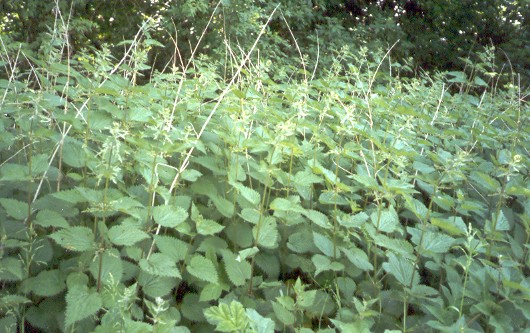
Nettles were considered to be an excellent remedy for purifying the blood. They were also once regarded as an aphrodisiac. In ancient Greece, they were used as an antidote to poisoning by hemlock and as a remedy for scorpion stings and snake bites.

The nettle was used as a diuretic and was thought to lower blood pressure. Gout and arthritis were treated with nettles.

It was thought to be an aid to digestion and was used to treat some digestive disorder such as flatulence, ulcers and diarrhea as well as to eradicate worms.

Nettles were used to reduce heavy menstrual bleeding and as a tonic during the menopause. They were taken by nursing mothers to improve their milk supply.

Respiratory problems, such as catarrh, asthma, pleurisy and lung disease, were treated with nettles. They were also used to bring down fevers.

Applied externally, they were used to cure arthritis. Cuts and wounds were treated with them, as were burns and insect stings. Nettles were used as a remedy for bleeding noses and to make gargle for sore throats. A tonic for the hair was made from them.

Neuralgia

Honey, chamomile and elderberries taken internally were thought to bring relief to sufferers from neuralgia.

Applied externally to the site of the pain, ginger oil, dilute eucalyptus oil or garlic added to olive oil were used to combat the pain of neuralgia. A compress made from sage, a poultice made from cabbage, or a hot mustard plaster were alternative remedies.

A mixture of rose water and white vinegar was used to make a lotion that was applied to the affected part. A liniment for neuralgia could be made from a mixture of methylated spirits, cedar bark, sassafras, origanum and powdered carbonate of ammonia. Brown paper was dipped in this mixture and applied to the area affected by neuralgia for a short time. If left on too long, it could cause blistering.

Nose Bleeding

There were several suggested cures for nose bleeds in folk medicine.

One of these involved placing a nettle leaf on the tongue or against the roof of the mouth. Witch hazel dried and used as a snuff was another old cure, and powdered tea was once used in this way also.

A small piece of cloth soaked in vinegar and put up the nostrils was said to cure a bleeding nose, as was a cloth soaked in lemon juice. A cold lotion applied to the head while heat was applied to the feet constituted another old remedy.

A common remedy was the putting of a cold key down the back of the person suffering from the nose bleed.

More drastic was the pouring of cold water down the back. Grasping the nose with the finger and thumb to exclude air from the nose was also used as a remedy.

Cinnamon taken in a hot drink was thought to stop bleeding from the nose.

Numbness

An old remedy for numbness was to wash the affected part in a decoction of mustard seed and wormwood.

Olive Oil

olive oil
Olive oil had a variety of uses in folk medicine. It was used in the treatment of digestive problems such as flatulence, heartburn, indigestion, ulcers and constipation.

Respiratory problems, such as catarrh and dry coughs, were also treated by it.

Externally, it was used to soothe the skin and to relieve the effects of eczema, cold sores and chapped skin. Often with the addition of garlic, it was used as a liniment for sprains or rheumatism. Warm olive oil, sometimes with the addition of a herb such as garlic, was dropped in the ear as a remedy for earache.

An infusion of the leaves of the olive tree was used for cleaning wounds or cuts and was also used as a mouthwash to cure bleeding gums.

Tuesday, August 26, 2008

Onion

Onion
Onions were used medicinally from earliest times. They were thought to have antiseptic properties and were used to ward off infection.

They were used to improve the circulation and purify the blood. They were thought to lower high blood pressure and were used as a remedy for blood clots. Cases of anemia were treated with it.

They were used as an expectorant in colds, catarrh and bronchitis, and also to bring down fever in such conditions. Sinusitis and sore throats were also treated by it.

Onions were taken to aid digestion and as a tonic. They were used as a remedy for constipation and flatulence. Disorders of the liver were treated with onions. They were thought to have diuretic properties and were used as a remedy for gout and arthritis.

Externally, they had several uses. Onion juice was used to treat burns, stings, animal bites, cuts, boils and abscesses. It was also used as a remedy for warts, toothache and earache. Onions were used in a poultice to cure chilblains and were thought to be a remedy for headaches when inhaled.

Onions were once considered to be an aphrodisiac.

Palpitations

Lavender taken internally was thought to relieve the symptoms of nervousness and anxiety, one of which was palpitations. Hawthorn was used as a remedy for various heart conditions and in the treatment of palpitations.

An infusion of borage was also recommended for the condition. Peppermint was generally thought of as a heart tonic and was used in the treatment of palpitations.

Pansy

Please see Heartsease.

Paralysis

Nettle was used to stimulate the circulation and was also thought to have some effect in the treatment of paralysis. Early herbalists recommended rosemary as a remedy for paralysis.

Cowslips were used to try to help the condition, as were primroses.

According to folklore, a silver coin made from money contributed by a certain number of people acted as a charm against paralysis.

Parsley

parsley
We now know parsley as a common culinary herb. However, it was also used in herbal medicine and also features in folklore. In ancient Greece and Rome, sprigs of parsley were placed on tombs to bring good luck to the deceased. The Romans wore sprigs of it about their person to provide general protection, and the gladiators in ancient Rome ate parsley in an effort to boost their strength.

The Romans believed that a pregnant woman would miscarry if she ate parsley. Later it was used by women who were pregnant but who did not want to be. They used it to try to bring about abortions. It was found to have a stimulating effect on the muscles of the uterus, and pregnant women were advised to avoid it.

It was used to treat women after childbirth with a view to getting the uterus back to normal. The herb was also used to increase the milk supply in nursing mothers.

Parsley had several used in herbal medicine. The bruised leaves were used against the plague and against diseases characterized by intermittent fevers.

It was used to treat bronchitis and asthma and to cleanse the kidneys. As a diuretic, it was used a remedy for dropsy and was advocated as a treatment for jaundice. Gout and arthritis were both treated by it.

The herb was used as a remedy for headaches and also for some nervous disorders, such as excessive anxiety. Listlessness and lack of energy were treated with it.

The herb was used to improve circulation and in the treatment of high blood pressure. Anemia was also treated with it. It was thought to have the power to stimulate the appetite and was used as an aid to digestion.

It was regarded as being an antispasmodic and was used in the treatment of stomach cramps, colic and flatulence, as well as indigestion.

Externally, parsley was used in the treatment of stings and bites, and for cuts and wounds. Crushed fresh parsley leaves were put on the breasts of nursing mothers to relieve engorgement of the breasts.

It was used on the hair as a tonic to make the hair shine, and it was also used as a treatment for head lice. Applied locally, it was used as a remedy for toothache.

Monday, August 25, 2008

Pennyroyal

pennyroyal
Pennyroyal was also called pudding grass or tickweed. In early times, pennyroyal was burnt to kill fleas.

The herb was toxic if taken in large doses, although small doses were used in the treatment of headache, indigestion and nervous disorders. It was a remedy that had to be used with great caution.

It acted as a stimulant to the uterus and so was used to bring on the menstrual flow in cases where it had been suppressed.

Pepper

pepper
Black pepper is made from dried unripe peppercorns. White pepper is made from ripe peppercorns that have been soaked and had their outer skins removed.

Pepper was used in early folk medicine as a remedy for the bubonic plague. It was also used in the treatment of feverish infections, such as typhus, cholera, smallpox, scarlet fever and dysentery.

From Greek and Roman times, it has been used to treat colds and catarrh. They also used it to improve the digestive system.

One of the properties that pepper was regarded as having was the ability to bring down fevers by inducing perspiration. It was also regarded as being a diuretic.

Pepper was thought to improve digestion and act as a stimulant of the appetite. It was also used as a painkiller.

Externally, pepper was used as a counter irritant, known as a rubefacient, to relieve the pain of painful joints in conditions such as rheumatism by bringing the inflammation to the surface. Pepper was also used as a treatment for cuts and wounds and acted as a gargle for sore throats.

Peppermint

peppermint
The ancient Greeks regarded peppermint as an aphrodisiac. It was an early cure for headaches, coughs and infections of the urinary tract.

Peppermint was much used in the treatment of disorders associated with the digestive system. It was used for the relief of indigestion and as a remedy for colic, heartburn and flatulence. It was thought to be effective in stimulating the appetite and was used to cure nausea and prevent vomiting. Diarrhea was also treated with it.

An antispasmodic, peppermint was used to relax muscles and was thought to be particularly helpful in the treatment of abdominal cramps. Cholera and dysentery were treated with it.

Being thought to have the power to increase the production of perspiration. It was recommended to be taken at the start of colds and influenza.

It was thought to have a good effect on the circulation and was used to stimulate the heart and to cure palpitations. The liver was also thought to be stimulated by the use of peppermint.

Hiccups were thought to be relieved by it. It was used to sweeten the breath, as it still is. Peppermint oil was used as an inhalant to cure dizziness and faintness.

Externally, peppermint oil was a recommended treatment for cuts and abrasions. Both the oil and the crushed fresh leaves were used to reduce joints made painful by arthritis, rheumatism and gout.

Peppermint oil was used as a gargle for sore throats, and it was applied to aching teeth to relieve the pain. It was also used in drops to relieve earache.

Peptic Ulcers

Please see Ulcers, Internal

Periods, Painful

Please see Menstrual Irregularities

Sunday, August 24, 2008

Piles

Please see Hemorroids.

Phlegm

Please see Expectorants.

Perspiration

Several plants were used to induce perspiration, especially to bring down fevers in various infections.

The plants included pepper, cinnamon, ginger and lemon. Alcohol was also used to promote perspiration, as were cloves, garlic, onion, parsley, plantain, nettle and burdock. Hot rosemary tea was also thought to increase perspiration, as were rose tea, marigold tea and lavender tea.

A hot infusion of yarrow was also used, as was a hot infusion of balm. A decoction of hawthorn bark was thought to increase perspiration. An infusion of the leaves and flowers of meadowsweet was thought to do likewise. Peppermint and eucalyptus were also used.

See also Body Odor.

Pimpernel

scarlet pimpernel
Pimpernel is also known as scarlet pimpernel.

In early folklore, people thought that they could tell what time of day it was by looking at the pimpernel. The flowers of the plant opened early in the morning and closed in the afternoon. This system did not really work if it was raining because the flowers closed then also.

The plant was sometimes called "laughter bringer" since it was thought that it had the power to cure depression. It was also regarded as a diuretic.

It had to be used with great caution as it could be toxic.

Pink

pink
The pink is also known as clove pink or gilliflower.

It was used as a tonic and as a diuretic. Fevers were treated with it as it was thought to have the power to induce perspiration.

Plague

The term plague usually applies to the bubonic plague. Several plants were used either as a supposed remedy for this or to prevent it.

Pepper was used in the treatment of the plague, as was parsley.

Onions were used to keep bubonic plague at bay. Sage was also thought in early times to have the power to prevent the plague. Thyme was strewn on the ground to try to ward off the plague, as was lavender.

Saturday, August 23, 2008

Plantain


Plantain is also known as ripple grass or waybread.

The plant has long been used as an external application in the treatment of wounds and sores. It was also used to bring relief to insect stings and bites, burns and scalds, and in the treatment of sprains. The Greeks and Romans used it as a remedy against mad dog bites.

Taken internally, it was regarded as having diuretic properties. It was also regarded as an expectorant and as a help for the reduction of the secretion of mucus. Because of these properties, it was considered to be a remedy for bronchitis, catarrh, colds, asthma, hay fever and sinusitis.

Plantain was used for relaxing spasms and as a cure for stomach and bowel infections. Diarrhea was treated with it, and plantain seeds were used as a laxative.

It was thought to relieve heavy bleeding during menstruation and was thought to be a remedy for the vomiting of blood.

Pleurisy

An old cure for pleurisy involved letting the patient bleed profusely. He or she was then advised to drink a pint of spring water to which some drops of ammoniac had been added.

Alcohol or vapor baths were also recommended in the treatment of pleurisy. The patient was encouraged to drink plenty of hot strong tea with catnip and to keep well covered up in bed. This was all meant to make the patient perspire freely and bring down fever.

A decoction of the roots and nettles was a traditional cure for pleurisy. Thyme taken internally was also regarded as a remedy, as was hawthorn. Pleurisy was also treated with borage, which was known for its expectorant properties and for its soothing decongestant effects.

Pneumonia

Eucalyptus was used as an expectorant to bring up the phlegm in pneumonia. Thyme was often administered to relieve coughs associated with pneumonia.

Carrots were also used in old treatments for pneumonia.

See also Lung Problems

Poison, Antidotes

As an antidote to poison, an old remedy suggested stirring a heaped teaspoonful of common salt and one of ground mustard into a glass of warm water. This was swallowed quickly to induce vomiting. After the vomiting stopped, the person affected was supposed to swallow the whites of two eggs and then drink plenty of strong coffee.

Plantain was commonly used in folk medicine as a general antidote to poison, as was larch. Egg white beaten in milk was also used as an antidote, as was Castor oil.

The Romans used lemons as an antidote to all poisons, and early herbalists regarded avens as an antidote.

Poppy

Poppies
Poppies were used as a sedative from early times, being used in the treatment of excessive nervousness, anxiety, hysteria and insomnia. It was also used for the relief of pain. Both opium and morphine are derived from the poppy. It was also used to soothe coughs and to bring down fevers by inducing perspiration. Diarrhea and dysentery were sometimes treated with it.

Friday, August 22, 2008

Potato

potato
The juice of the raw potato was much used in traditional medicine. It was used in disorders associated with the digestive system, such as indigestion, colic, ulcers and constipation. Taken with walnut oil, potato was supposed to be an effective cure for intestinal worms. Liver disorders were also treated with it.

Potato was also used traditionally to improve the circulation. Heart disease was also thought to respond to its effects.

Raw potato juice used externally had several applications. It was used to heal wounds, ulcers and certain skin conditions. It was also used to bring relief to burns and swollen eyelids. Chilblains were treated with raw potato, as was sunburn. Slices of raw potato applied to the forehead were supposed to relieve headaches.

Poultices

poultice
Poultices were a popular remedy in several conditions, especially those involving external inflammation. They were used to bring boils to a head. They were also used to bring relief to swollen joints and on the chest to relieve some respiratory or lung conditions. Inevitably, they tended to be rather messy.

A poultice was a hot semi-liquid mixture spread on a piece of cloth and applied to the skin. Various substances were included in poultices, according to the purpose of the poultice and according to the properties of the substance.

A poultice that was commonly used was a bread poultice. This was made by pouring boiling water over a quantity of breadcrumbs and stirring it until the mixture formed a soft mass. This was spread about half an inch thick on a cloth and applied to the area to be covered.

Mustard formed the basis of another poultice. In this, powdered mustard was mixed to the consistency of a soft mass by the addition of cold water or vinegar. This mixture was then placed either on a piece of cloth or on a piece of brown paper.

There was a problem with mustard poultices in that they could cause blistering. For this reason, it was suggested that a piece of muslin was placed between the poultice and the skin if the person being treated with the poultice had a delicate skin.

Mustard poultices were also made with one part mustard and four parts linseed meal. The mustard was mixed with warm water and the linseed meal mixed with boiling water in a separate dish. The mustard mixture was then added to the linseed meal mixture and the combined mixture applied to a piece of cloth and put on the relevant area of the patient's body.

Linseed poultices were also made without mustard. A thick paste was made by stirring the linseed meal with some boiling water. The paste was spread on a piece of cloth. It was advised that a piece of muslin dipped in olive oil be laid on the paste to prevent it from sticking to the skin.

Yeast poultices were made by mixing a pound of ordinary flour or a pound of linseed meal with half a pint of yeast. This mixture was then heated and stirred carefully before being applied to the skin on a piece of cloth.

Charcoal poultices were made by soaking breadcrumbs in boiling water and then adding powdered wood charcoal and linseed meal. The mixture was then stirred thoroughly and applied to a piece of cloth.

Treacle poultices were less usual and were made by mixing a pound of flour with half a pint of treacle. This was then warmed, being stirred all the time, and spread on a cloth and applied in the usual way.

Several herbs and vegetables were used to make poultices. Poultices could be made from watercress and applied to wounds or boils. Raw potato slices were also made into a poultice, and this was applied to wounds and sores. Grated raw apple was used in a poultice also, often being used for ulcers.

Cabbage was also the basis of a poultice, and this was used to relieve wounds, sores and boils. Carrot poultices were also used to speed the healing process of wounds and to bring boils to a head.

Leek poultices, onion poultices, turnip poultices, burdock poultices and comfrey poultices were also used for the relief of various conditions. A poultice of the leaves and flowers of borage was a remedy for some skin conditions.

Primrose

primrose
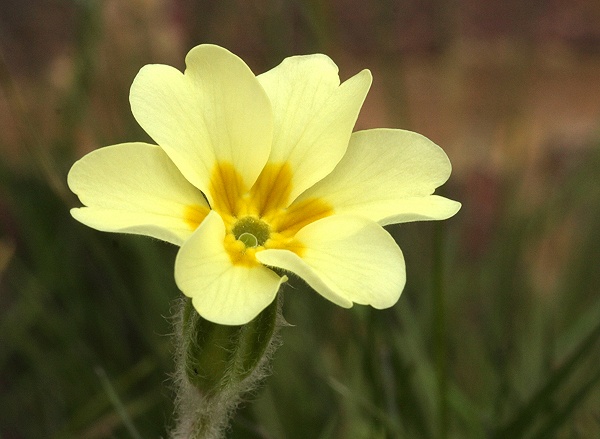
According to early folklore, children who ate primroses were thought to have the power to see fairies.

Early herbalists used the primrose in the treatment of paralysis and as a remedy for gout and muscular rheumatism. It was used to reduce swelling and relieve bruises, and was also used to heal wounds and cuts.

Taken internally, primrose was used to treat nervous disorders and insomnia. Nervous headaches were treated with it, and it was used as an emetic and to expel intestinal worms.

Primrose was used to relieve lung congestion and in the treatment of bronchitis.

Psoriasis

The bark and root of the elder were used in the treatment of psoriasis when applied externally to the affected area. A decoction of dock was also thought to help. Taken internally, watercress was thought to assist in the cure of psoriasis by purifying the blood.

Purple Loosestrife

Purple loosestrife
Purple loosestrife is also called willowherb.

In early folklore purple loosestrife was said to confer psychic powers on people and to have the ability to keep away flies and insects.

It was widely used in folk medicine as an antiseptic, being used to clean wounds. Gargles for sore throats were made from it, and it was also used as a tonic.

Thursday, August 21, 2008

Rabies

The root of the elecampane was used to treat someone who had been bitten by a dog that was thought to be rabid. The elecampane root was sliced and bruised, added to a pint of milk, boiled, strained and cooled. The person being treated had to drink the liquid and fast for six hours. The treatment was to be repeated the next day and the day after that.

Ragwort

ragwort
Ragwort is also known as fireweed.

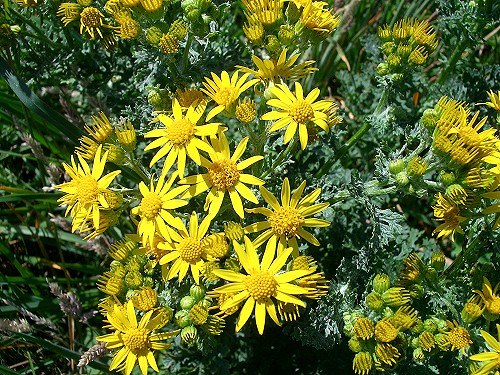
The leaves were used in poultices to soothe the skin and ease inflammation. Ragwort poultices were also used to bring relief to swollen joints and as a remedy for gout, sciatica and rheumatism.

The juice was used as a wash to heal burns, sores, ulcers and inflammation of the eye. A decoction of its root was used as a remedy for internal bruising. Ragwort was also used as a gargle for throat ulcers and mouth ulcers.

Raspberry

raspberry
Early herbalists treated severe cases of insomnia with raspberry tea. They also used it to bring down fevers.

Raspberry was also used to prevent vomiting and was used as a cure for morning sickness in pregnant women. It was used to ease the pains of women in labor and to increase the milk supply of nursing mothers. Diarrhea was treated with it also.

It was used as a mouthwash for sore gums and mouth ulcers. Externally it was applied to cuts and sores to accelerate the healing process.

Respiratory Infections

Cloves were thought to be particularly effective in the treatment of disorders of the respiratory system. Olive oil was also considered to bring relief, as were carrot juice and onion juice.

Turnips were thought to have a beneficial effect on the respiratory system. Nettles were thought to have a similar effect. Sage taken internally at the first symptoms of a respiratory infection was meant to be a speedy remedy.

See also Asthma, Colds and Coughs

Monday, August 18, 2008

Rheumatism

An elder twig carried about the person, according to old folklore, was said to confer protection against rheumatism.

There were several old cures for rheumatism. Two of these involved celery. In one remedy, the celery was cut into pieces and boiled in water until it was soft. It was then drunk with water. Another cure involved warming a mixture of boiled celery with milk, nutmeg and a little flour. This was then served with potatoes and pieces of toast.

A drink made from celery was also used as a remedy for rheumatism. Celery seed was boiled in water, reduced, strained, bottled and sealed. This liquid was then taken twice a day for two weeks.

Another cure for rheumatism was based on hot rum. The rum had nutmeg and pepper added to it. This was then drunk by those who were suffering from rheumatic pains.

Wool was used in an external remedy for rheumatism. The wool was heated by holding it against a can containing very hot water as heating it in front of a fire was considered dangerous. This was then applied to the affected joints.

Sometimes a layer of dry, hot wool was wrapped round a painful joint and then the wool was covered with oiled silk. This induced perspiration, and the wool became saturated and had to be changed frequently. This was meant to bring great relief both in rheumatism and gout.

Linseed oil was also used as the basis of a remedy for rheumatism. A lotion was made from linseed oil and oil of turpentine and some spirits of camphor was added. The mixture was then shaken well and the lotion applied to the painful joints.

Garlic, crushed and added to an oil, was applied to painful joints. Raw potato juice and the hot water that potatoes had been boiled in were both also used as external applications. A poultice made from turnip was also used.

Parsley tea, taken internally an hour before meals, was thought to have the power to stimulate kidney activity and to bring relief to sufferers from rheumatism. Cinnamon taken internally was also thought to relieve the pain of rheumatism, as was watercress or mustard taken internally.

An infusion of burdock was taken to relieve rheumatism. An alternative remedy was an infusion of dock. Meadow-sweet was considered to have an anti-inflammatory action that brought relief to joints made painful by rheumatism.

Diuretics are considered effective in the treatment of rheumatism. In folk medicine, lemon juice and an infusion of dandelion leaves, both being thought to be efficient diuretics, were used as remedies for rheumatism. An infusion of thyme, also thought to be a diuretic, was used too.

Rhubarb

rhubarb

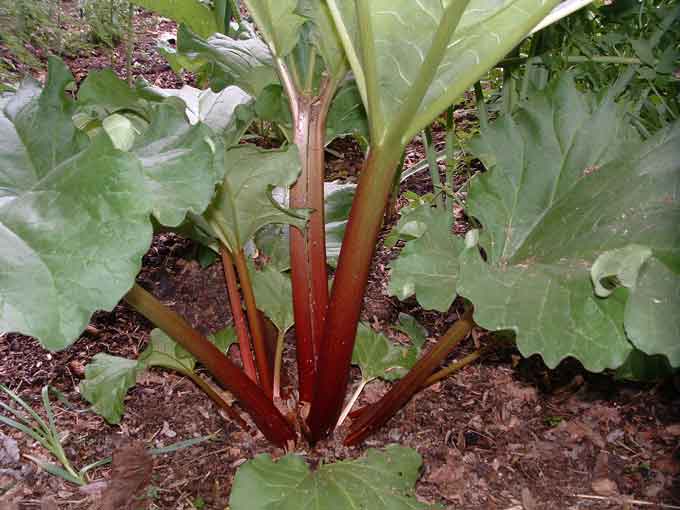
In large doses, rhubarb was used as a laxative, although in smaller doses it was sometimes used to relieve diarrhea in infants.

A decoction of the seeds was thought to stimulate the appetite and ease stomach pains.

Ringworm

One old cure for ringworm involved putting an application of carbonate of soda and strong vinegar on the affected areas.

Another old cure involved cutting the hair from the affected areas and rubbing in turpentine and then washing it off with carbolic soap. The whole head was then to be washed and the areas of ringworm dabbed with diluted iodine.

Sunday, August 17, 2008

Rose


The Romans used the dog rose to cure anyone who was bitten by a mad dog. Roman women sucked pastilles made of rose to sweeten their breath, and garlands of roses were once worn to prevent drunkenness.

Rose petals were use for the relief of pain in menstruation and were also used to ease heavy bleeding. They were thought to increase fertility and were also thought to have the power to cure impotence in men.

Rose petals were thought to act as a diuretic and were used in disorders of the urinary tract and in disorders of the liver. They were also used as an expectorant. Diarrhea was treated with rose petals, and roses were used to fight infection in the digestive tract.

Rose-petal tea was used to bring relief to those suffering from colds, catarrh, congestion or influenza. Both the petals and leaves taken in the form of a tea were used to break fevers and induce perspiration.

Depression was treated either with rose petals or rose hips. A syrup made from rose hips was high in vitamin C, as well as other vitamins, and was used to treat the common cold and to raise children's resistance to infection. It was used during and after World War II. The syrup had many uses. It was used to cure stomach cramps, mentrual cramps and diarrhea. Rose-hip syrup was used as a laxative and as a remedy for nausea, indigestion, and kidney disorders.

A mouthwash and a gargle were made from rose petals, and chapped lips were soothed by rose oil. Rose water was used to clear the skin of blemishes, including acne and spots. Sore eyes were soothed by it, and bruises and sprains were relieved by it. It was thought to have the power to erase wrinkles. Rose water was one of the ingredients in a mouth and throat rinse. The other ingredients were carbolic acid, tincture of orris root, tincture of calamus, and nutmeg.

Rosemary

rosemary
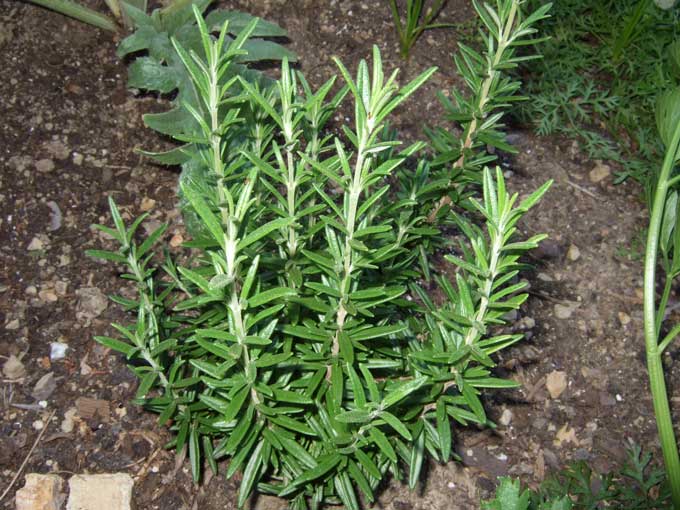
Rosemary was believed in early times to keep witches and evil powers at bay. A sprig of it placed under the pillow was thought to have the power to prevent the sleeper from having nightmares, and a sprig worn on the clothing was meant to bring luck and success. It was thought of as being an antidote to the bubonic plague.

Rosemary tea was used to cure headaches, colds and asthma. Colic and flatulence were treated with it. It was used as an expectorant to clear phlegm, and it was used to bring down fevers and induce perspiration.

It was also used as a remedy for nervous disorders and for treating depression. Listlessness was also treated with rosemary.

Rosemary was used to stimulate the circulation and in the treatment of blood pressure, especially low blood pressure. It was also used to stimulate the appetite, to improve brain activity and to increase concentration. The herb was also thought to slow down the aging process.

Rosemary was considered to be a diuretic, and was used as a remedy for arthritis and gout and to improve liver function.

Externally, rosemary oil was used to rub into inflamed joints to relieve the pain and to rub into the temples to cure headaches. Skin infections such as scabies were thought to respond to treatment by an external application of rosemary oil. Bleeding gums were claimed to be cured by a mouthwash made from it, and, when used as a scalp rub, it was thought to prevent hair from falling out.

Saturday, August 16, 2008

Rowan

rowan

The rowan is also known as the mountain ash.

In early folklore rowan was used to keep witches and evil powers at bay.

In folk medicine the berries of the rowan tree were used as a diuretic and as a purgative. They also formed the basis of a gargle for sore throats.

Rue

rue

Rue was the subject of several superstitions in folklore. The Romans thought it conferred the gift of second sight or psychic powers on those who ate it. Musket balls that were soaked in rue water were said always to hit their target. The herb was also used in cursing rituals.

In common with rosemary, rue was thought to be an antidote to the bubonic plague. It was commonly used in treating disorders of the stomach and in relieving muscular cramps. Rue was also used to regulate menstrual disorders.

It was used as a remedy for excessive nervousness and to lower blood pressure.

Rue had to be used with caution as it could bring about abortion and cause allergies to the skin.

Friday, August 15, 2008

Sage


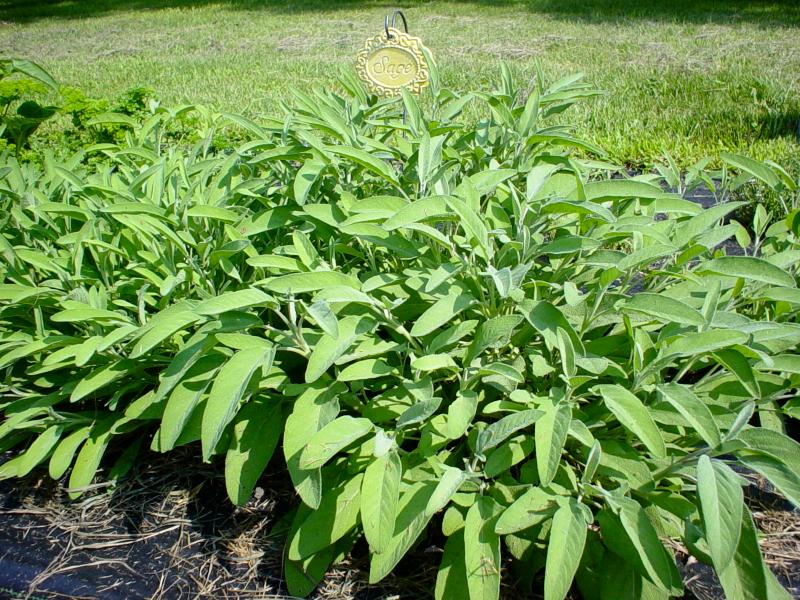
In Roman times, sage juice was thought to be instrumental in helping women to conceive. During the Middle Ages it was regarded as a kind of sovereign cure that could cure just about anything.

It was thought to be a diuretic, and it was also thought to be instrumental in bringing on the menstrual flow and regulating it as well as easing menstrual cramps. The herb was also thought to expel dead fetuses from the womb. It was regarded as being effective in relieving the symptoms of the menopause, particularly hot flashes. Sage was also thought to slow down the aging process, or even reverse it.

Sage was thought to be effective if it was taken at the first signs of respiratory infection, and it was used as a treatment for catarrh, sinusitis, bronchitis, asthma and tonsillitis. It was used as a gargle for throat ulcers and as a mouthwash for bleeding gums.

It was used in the treatment of nervous excitement and other nervous disorders, and it was also thought to be effective in treating some disorders of the stomach. It was used as an aid to digestion and was regarded as a remedy for colic, biliousness and stomach hemorrhages. Dysentery was also treated with it, as was diarrhea.

Liver complaints were treated with sage. It was regarded as a diuretic and was used as a remedy for gout and arthritis.

Externally, sage tea was applied to heal cuts, wounds, sores, burns, ulcers and insect stings. It was used in a compress in the treatment of strains and to ease sore joints.

Salt

salt
Salt is best known as a flavoring for food. In traditional medicine it was commonly used in water to induce vomiting in cases such as poisoning. Such a saline solution was also used as a purgative and was used as an enema to rid children of threadworms. A mixture of salt and water was used in the treatment of catarrh.

A weak solution of salt and water was commonly used as a gargle for sore throats, inflamed gums or mouth ulcers.

Thursday, August 14, 2008

Savory

savory

Savory is known nowadays as a culinary herb, often used in salads. However, it was a medicinal herb long before it was used as a culinary herb.

In early times it was a well-known aphrodisiac. Later it was used to stimulate the appetite and to treat stomach complaints. It was also used as a diuretic and as an expectorant.

A gargle was made from it as a cure for sore throats, and it was also used to sooth mouth ulcers.

Scabies

Scabies was a very itchy skin condition caused by a parasitic mite.

Watercress applied in a poultice was used in the treatment of scabies. Dilute rosemary oil rubbed on the skin was also thought to help. A more unusual-sounding cure was the application of baked apple to the skin to ease scabies.

An old method of soothing the itchy skin in scabies involved applying a weak solution of vinegar to the skin. Another remedy was a weak solution of carbolic acid, while yet another was a solution of bicarbonate of soda.

Rubbing soft soap all over the body, taking a hot bath, and scrubbing the body all over with a nail brush were parts of another suggested remedy. After this, the skin was dried and sulfur ointment was rubbed in and not washed off for twelve hours. Any clothes that had been worn by the scabies sufferer had to be baked.

Scalds

Please see Burns and Scalds

Scarlet Fever

Pepper was an old folk remedy for scarlet fever. A weak solution of vinegar and water was also thought to relieve the condition. Eucalyptus, which was thought to have antiseptic properties and which was also thought to bring down fevers, was also used in the treatment of scarlet fever.

Tuesday, August 12, 2008

Sciatica

An old cure for sciatica involved burning bean husks to ashes. These were then added to unsalted lard and mixed to make an ointment. It was then applied to the areas affected by the sciatica. Stinging the skin of the part affected by sciatica with nettles was thought to bring some relief by acting as a counter irritant and so increasing the flow of blood to the skin.

Diluted chamomile oil massaged into the painful joints was supposed to bring relief to sufferers from sciatica.

Eggs were once thought to relieve the nerve pain of sciatica. Elderberries taken internally were also thought to be a remedy.

Herbs used as remedies for sciatica included broom, ground elder, ground ivy, kidneywort, St. John's wort and wintergreen.

Seasickness

It was advocated that whoever was embarking on a voyage should eat well before setting out on the journey. At least this avoided the singular unpleasantness of retching on an empty stomach.

If sickness occurred despite sailing on a full stomach and the sickness was prolonged, it was suggested that the person suffering from seasickness should swallow the raw white of an egg beaten in cold water. If this stayed down it was to be followed by a whole raw egg mixed with a little brandy.

Please see also Nausea and Vomiting

Self-Heal

selfheal
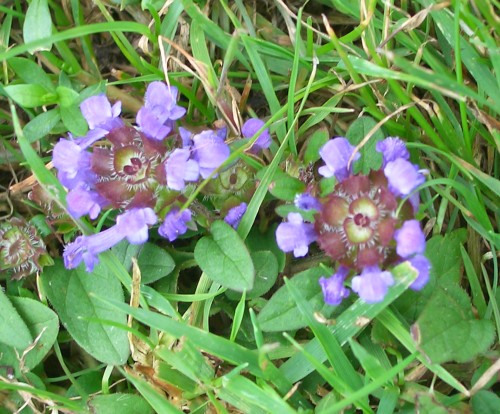
Self-heal was also known as sicklewort. As its name suggests, its medicinal properties have long been recognized.

It was taken internally as a treatment for diphtheria and was noted for its use as a remedy for sore throats. It was also used as a tonic and for the cure of internal bleeding.

Externally, it was used to treat sore throats, mouth ulcers and burns.

Shepherd's Purse

shepherd's purse
Shepherd's purse was used in the treatment of kidney disorders and as a remedy for low blood pressure. It was also used to stimulate the menstrual flow and to stop nosebleeds and heal wounds when taken internally. Diarrhea was treated with it.

Externally, shepherd's purse was used to reduce inflammation in chilblains.

Monday, August 11, 2008

Shingles

A poultice of cabbage leaves was applied to the skin to effect relief in shingles. Balm was also used externally in the treatment of the illness.

Sinusitis

Onions taken internally were considered to be an effective cure for sinusitis. Watercress, also taken internally, was thought to bring relief, as was plantain. Elderflowers, with their supposed decongestant properties, and a decoction of eucalyptus leaves, also with supposed decongestant properties, were held to be remedies for sinusitis.

Sage taken at the start of any sign of infection was thought to be curative. Both honey and tea were thought to be beneficial in the treatment of sinusitis.

Thyme oil, used as an inhalant, was considered to bring about the relief of sinusitis. Chamomile oil was also used in this way to the same effect.

Skin Problems

Many herbs were frequently used in the treatment of skin complaints. These included avens, betony, borage and burdock. Butterbur, chamomile, catnip and chervil were also used.

Other herbs that were used included chickweed, coltsfoot, comfrey, dandelion, dock, fenugreek, flax, groundsel and hawthorn. Herb robert, kidneywort, lady's bedstraw, lavender, lime flowers, meadowsweet and madder were also used. Nettle, pansy, peppermint, plantain, primrose, raspberry were used in skin complaints, as were rosemary, sage, slippery elm, sorrel, speedwell, tansy, watercress, white horsehound and witch hazel.

Cinnamon was also used externally, as were lemon, raw potato juice, vinegar, carrot and turnip.

Skullcap

skullcap
In the eighteenth century, herbalists recommended the use of skullcap as a treatment for anyone who had been bitten by a dog that was thought to be rabid. For this reason the plant was sometimes known as mad dog. Its common name of skullcap is thought to refer to the fact that it was once used in the treatment of mental patients.

Skullcap was used as a remedy for nervous disorders, including nervous tremors and hysteria. It was also used as a remedy for lockjaw and convulsions and muscular spasms. High blood pressure was treated with it.

It had to be used with caution as it was liable to cause drowsiness, and indeed it was used as a cure for insomnia.

Sleeplessness

Please see Insomnia

Sunday, August 10, 2008

Smallpox

Pepper was an old remedy for smallpox. Meadowsweet was also once used in the treatment of the disease.

It was also treated with a drink consisting of a teaspoonful of cream of tartar and half a pint of hot water.

An unpleasant remedy involved administering fried mice to the patient, it being thought preferable for the mice to be fried alive.

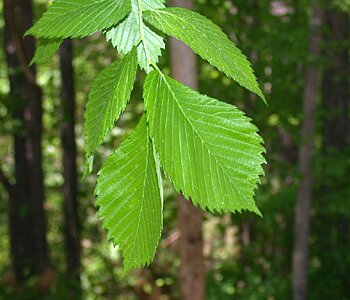
Slippery Elm

slippery elm
Slippery elm is also known as red elm or sweet elm.

It was the moist inner bark of the tree that was used medicinally, hence its name. Taken internally, it was used as a laxative or as a means of easing the process of childbirth. Externally it was used in the treatment of boils.

Snake Bites

Peppermint was used by the Greeks and Romans to cure snake bites.

A common remedy was to tie a ligature above the wound and suck it. The wound was to be encouraged to bleed and was to be washed in ammonia or tincture of iodine. Sal volatile was to be given to the person who had been bitten as a treatment and to keep the person awake.

A far more drastic treatment involved the filling of the wound with gunpowder and blood. The paste was then ignited to cauterize it thoroughly.

Sore Throats

Please see Throats, Sore

Tuesday, August 5, 2008

Sorrel

Sorrel

Sorrel is also known as green sorrel and cuckoo sorrow. It was used in feverish illness as a cooling drink. A mixture of sorrel juice and vinegar was given as a remedy for ringworm. A decoction of sorrel was said to cure jaundice and kidney stones. It was also used for hemorrhages.

Southernwood

Southernwood

Southernwood is also known as old man and lad's love. It is called lad's love because it was once thought to be an aphrodisiac.

It is a very strong-smelling herb and was once used as an insect repellent. Because the smell was so strong it was carried by some people to disguise nastier smells.

The herb was used in cases of menstrual irregularities, especially to encourage the menstrual flow. It was used as a general antiseptic.

Snapdragon

Snapdragon

According to folklore, snapdragon was used to keep witches and evil powers at bay.

The fresh leaves applied as a poultice were used in the treatment of ulcers and tumors.

Saturday, August 2, 2008

Spearmint

Spearmint
Spearmint was used in some remedies to take away the unpleasant tastes of the other herbs used in them.

It was used as an aid to digestion and as a remedy for indigestion, flatulence and cramp. Headaches and colds were also treated with it.

Speedwell

Speedwell
Speedwell is also known as cat's eye, bird's eye and gypsyweed.

In folk medicine it was used in the treatment of skin diseases. Stomach disorders were also treated by it, and it was used a diuretic. Bronchitis and other respiratory problems were treated with it.

Spitting of Blood

The spitting of blood was thought to be cured by drinking sage tea sweetened with honey.

Plantain, taken internally, was also thought to stop the bleeding. An unpleasant cure involving plantain was once thought to be an effective remedy. The juice of plantain was mixed with mice droppings that had been ground to a powder. This was taken before going to sleep at night and in the morning before breakfast.